
MS HONDIUS | Circumnavigation of Spitsbergen
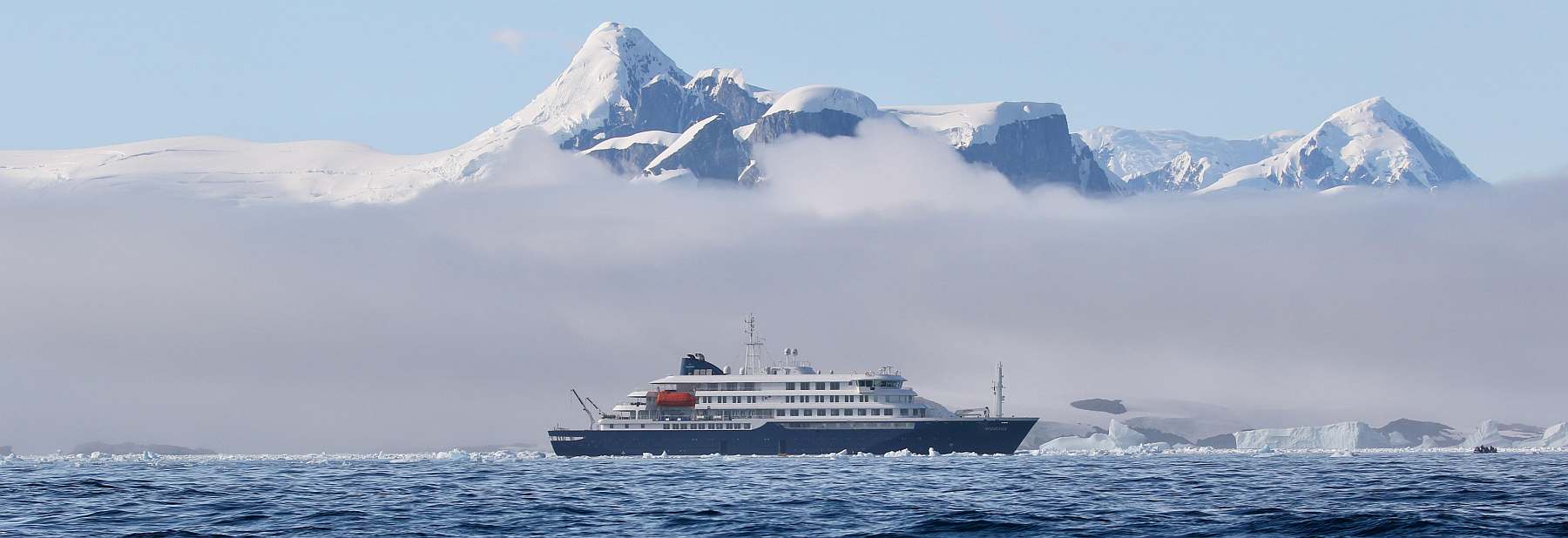
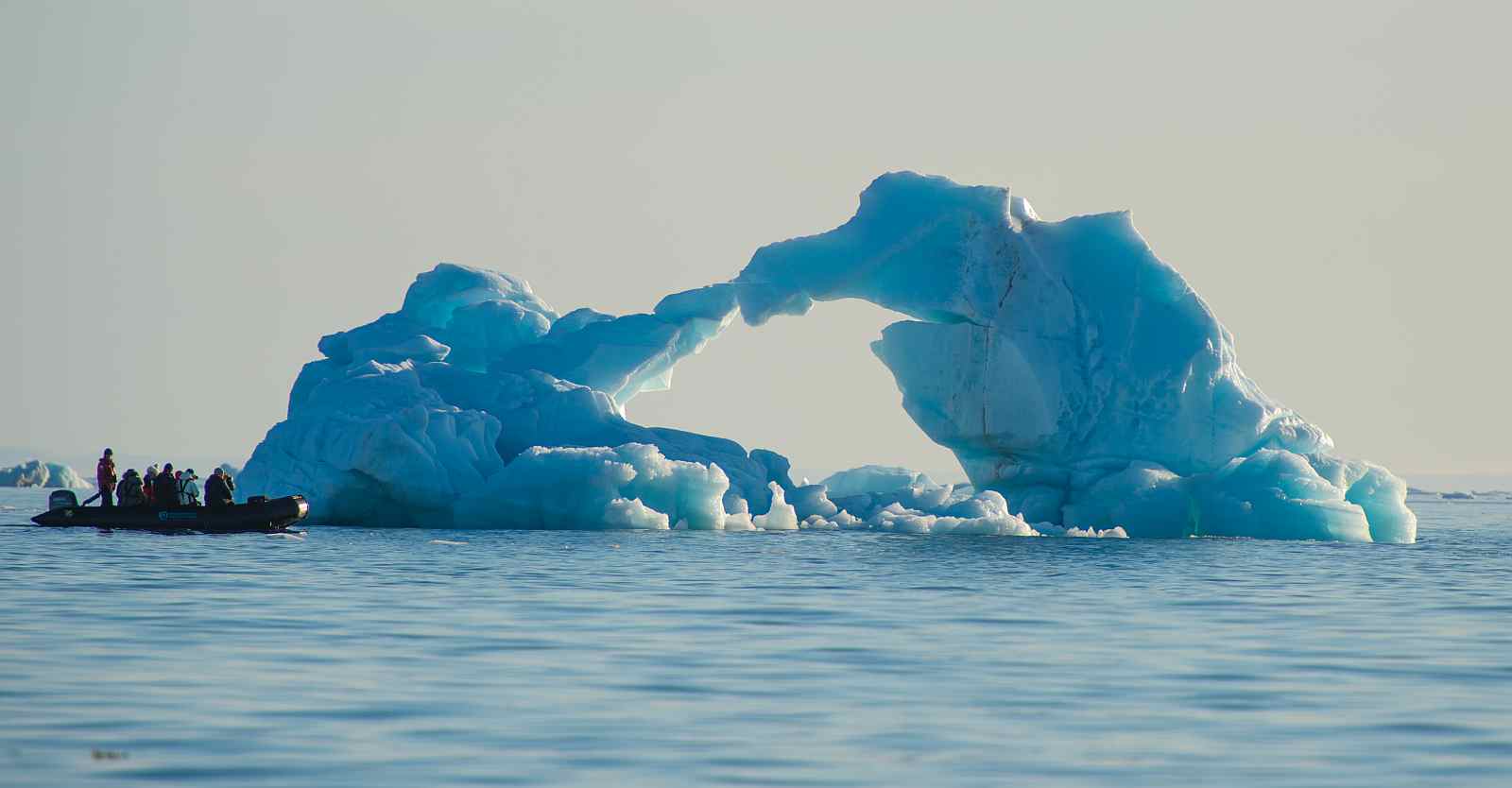
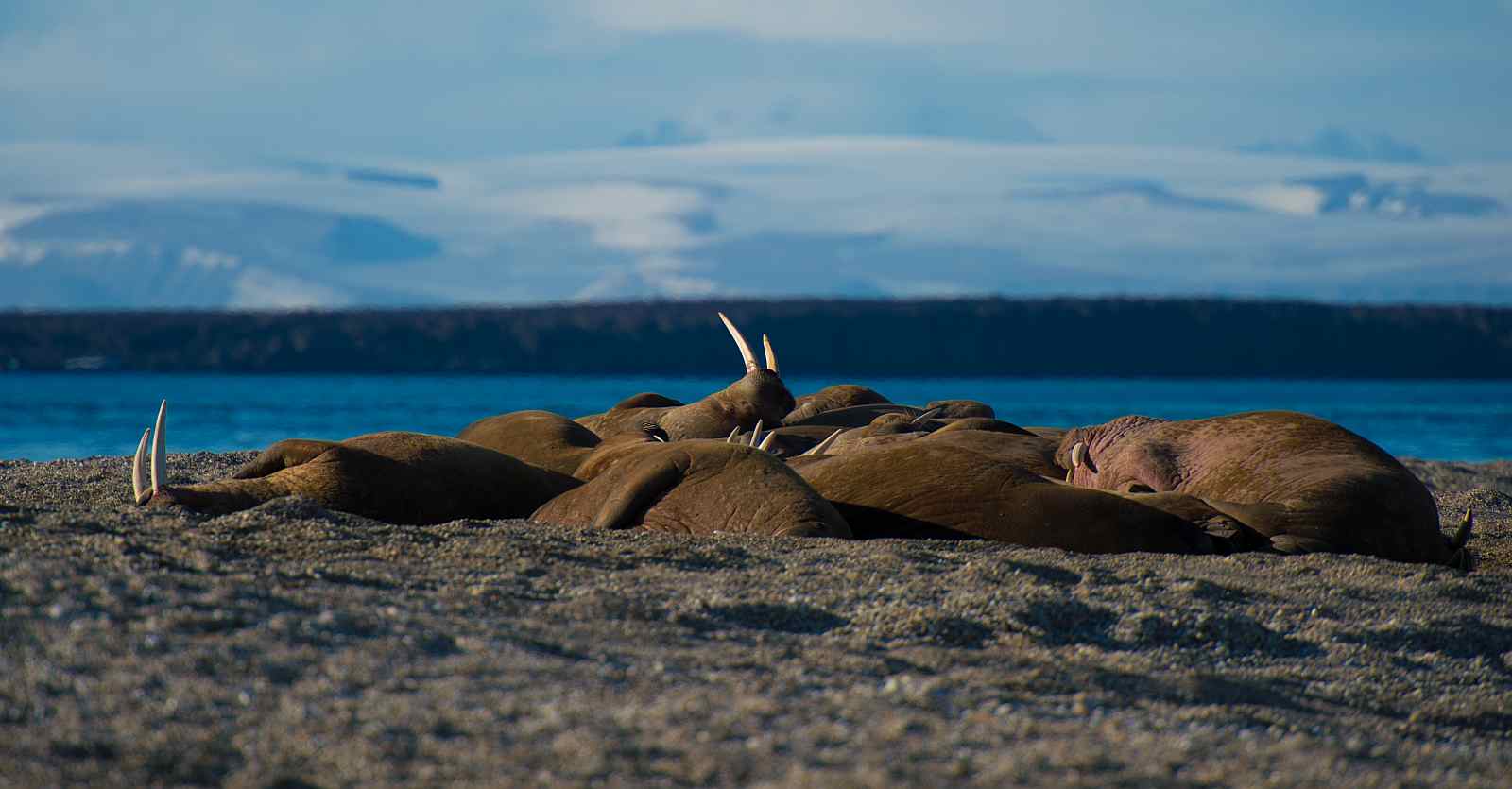
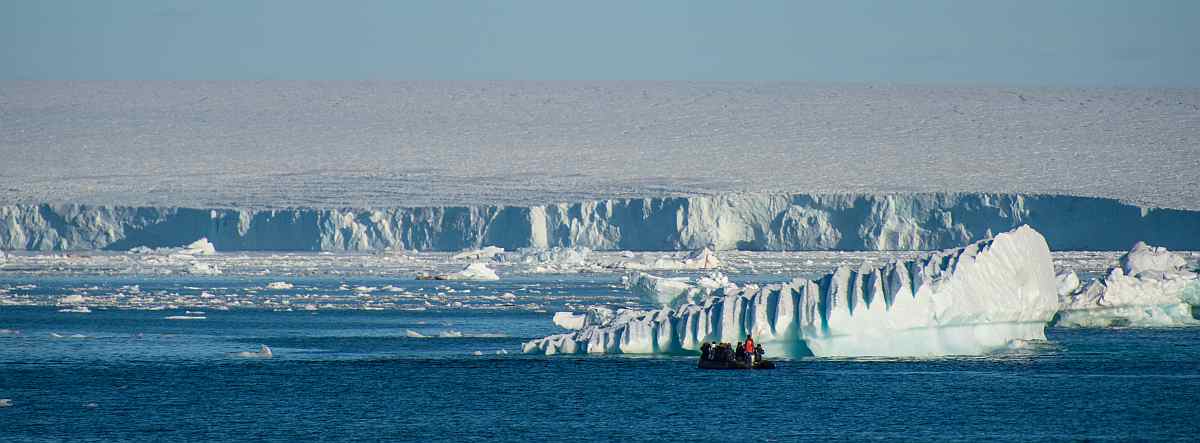
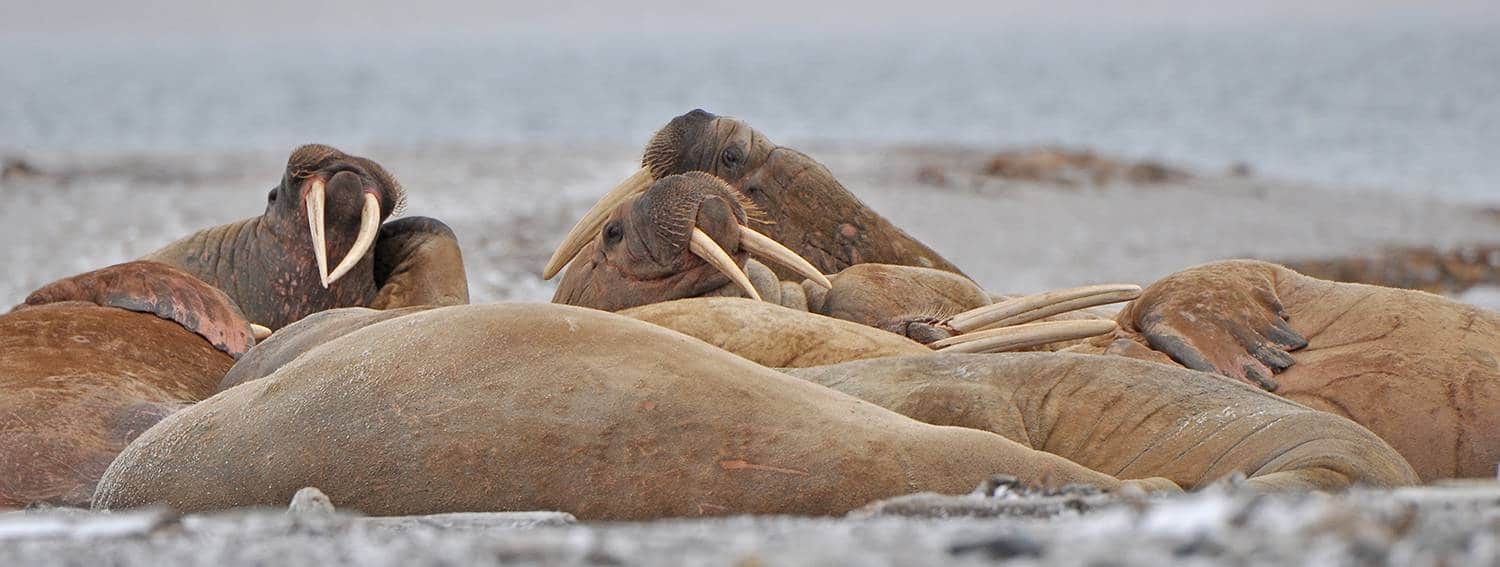
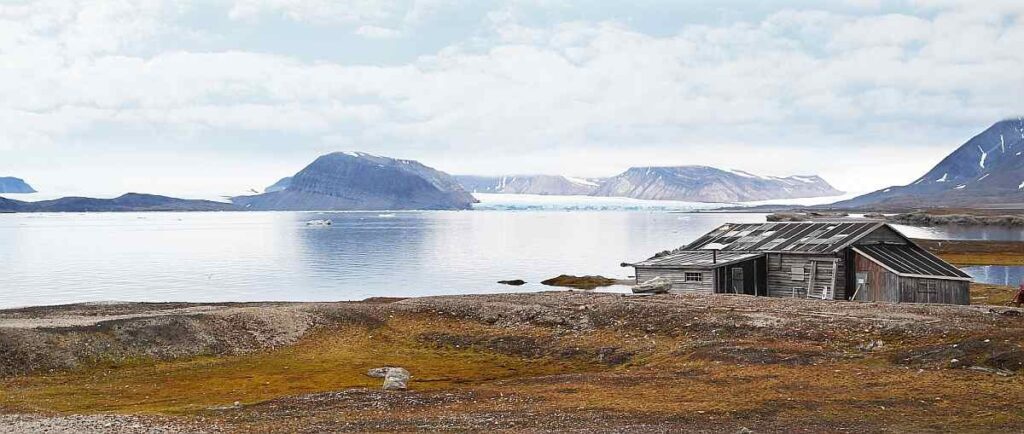
The circumnavigation of Spitsbergen by ship on the modern expedition vessel MS HONDIUS allows for an intensive encounter with the landscapes and wildlife observations around Spitsbergen . During the Arctic high summer, the ice masses in eastern Spitsbergen have usually retreated sufficiently to allow a circumnavigation of the entire archipelago.
We start along the northwest coast, where we visit Ny-Ålesund, the northernmost permanently inhabited settlement in the world! At Liefdefjord , we cruise along the impressive calving front of the Monaco Glacier and later reach the east of Spitsbergen .
Cold deserts, glaciers and vast ice fields characterize the high Arctic landscape – the rarely visited “realm of the white bears”!
With Edgöya, the ship reaches the easternmost point of the journey . Ivory gulls and polar bears inhabit these remote islands and can be observed with a bit of luck.
Finally, the MS HONDIUS sets a southwesterly course and rounds the southern tip of Spitsbergen . Another highlight of this cruise is the magnificent fjord landscape of Hornsund . You will explore the dramatic coastal scenery with its massive glaciers and Spitsbergen’s highest mountains . All too soon , after ten exciting days, this circumnavigation of Spitsbergen aboard the MS HONDIUS
comes to an end with the arrival in the port of Longyearbyen .
Conclusion: This is an intensive Spitsbergen program with the expedition ship MS HONDIUS, specially built for use in Arctic waters, with landings in the remote northeast and east of the archipelago.
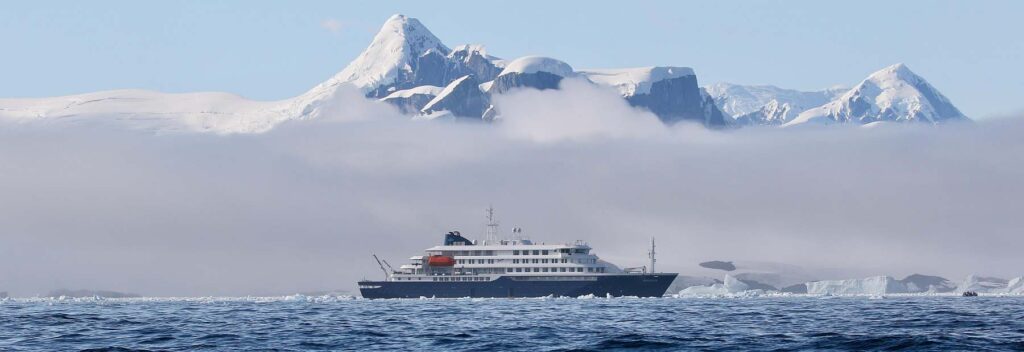
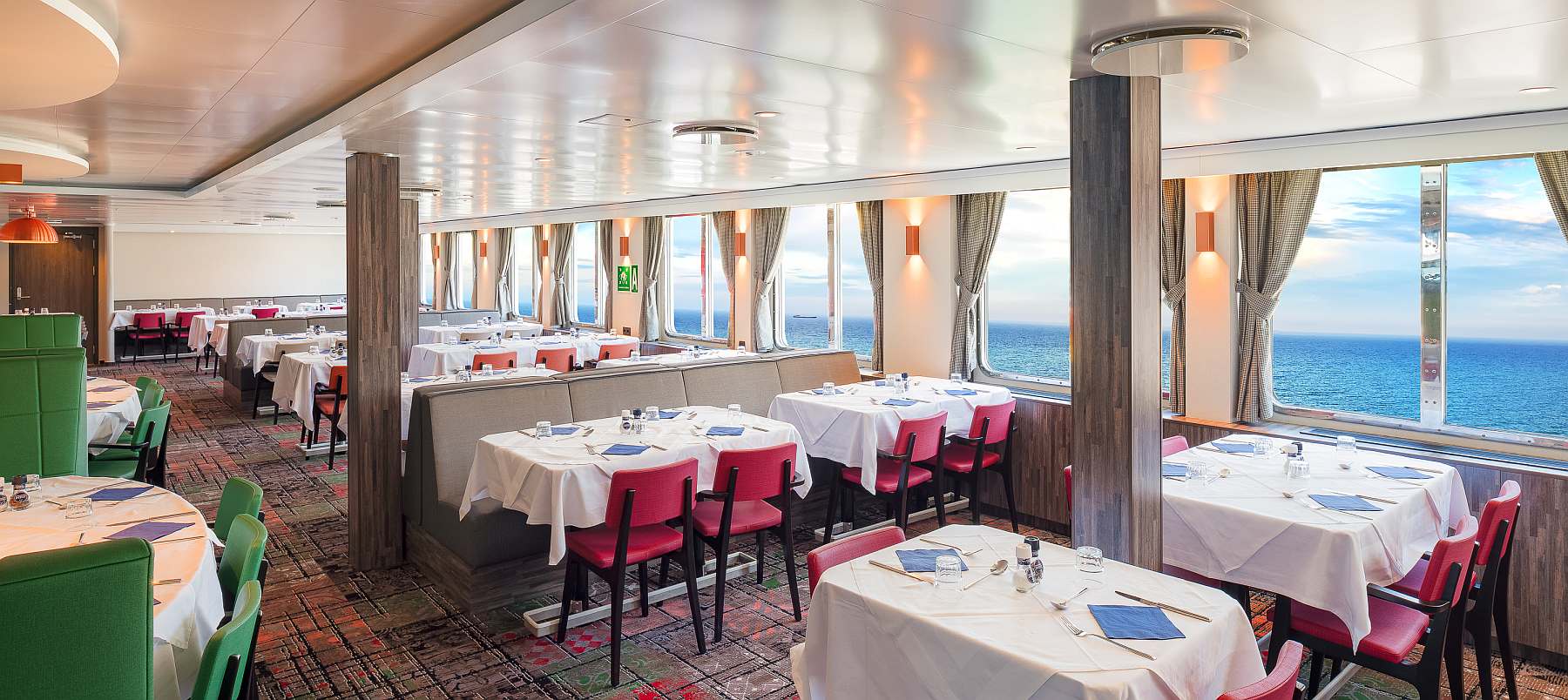
Since June 2019, travelers have been able to explore the polar regions aboard the MS HONDIUS. The newest ship in the Oceanwide Expeditions fleet boasts a high ice class (Polar Class 6) and offers a special deluxe standard to a maximum of 170 passengers in 82 cabins, while maintaining a distinctive, relaxed, and comfortable atmosphere. Wildlife observation and exploration of the natural environment are the focus of expedition voyages on the MS HONDIUS.
Not only do the numerous amenities and entertainment options on board contribute to making your expedition an unforgettable experience, but with this ship, you also have the assurance of having chosen one of the most environmentally friendly vessels in the polar seas. The MS HONDIUS uses LED lighting, steam heating, biodegradable paints and lubricants, and state-of-the-art energy management systems that keep fuel consumption and CO₂ emissions to a minimum. This means that when you travel on board this ship, you can enjoy the exotic landscapes and wildlife to the fullest while minimizing your impact on them.
Details
Ship data | MS HONDIUS:
- Shipping company: Oceanwide Expeditions
- Flag: Netherlands
- Year built: 2019
- Passengers: 170 in 80 cabins
- Length: 107.6 m
- Width: 17.6 m
- Draft: 5.3 m
- Speed: 15 knots
- Ice class: Polar class 6
- Electricity: 220V
- Crew: 57 Crew | 13 Guides | 1 Doctor
Equipment | MS HONDIUS:
One deck is fully dedicated to lectures (including multilingual ones) and presentations.
A large panoramic lounge and a separate lecture hall are available for this purpose. Quick boarding of the Zodiacs is ensured by two separate gangways and an additional indoor platform, which can also be used for special outdoor activities (such as the kayaking and diving programs).
Cabin Classes:
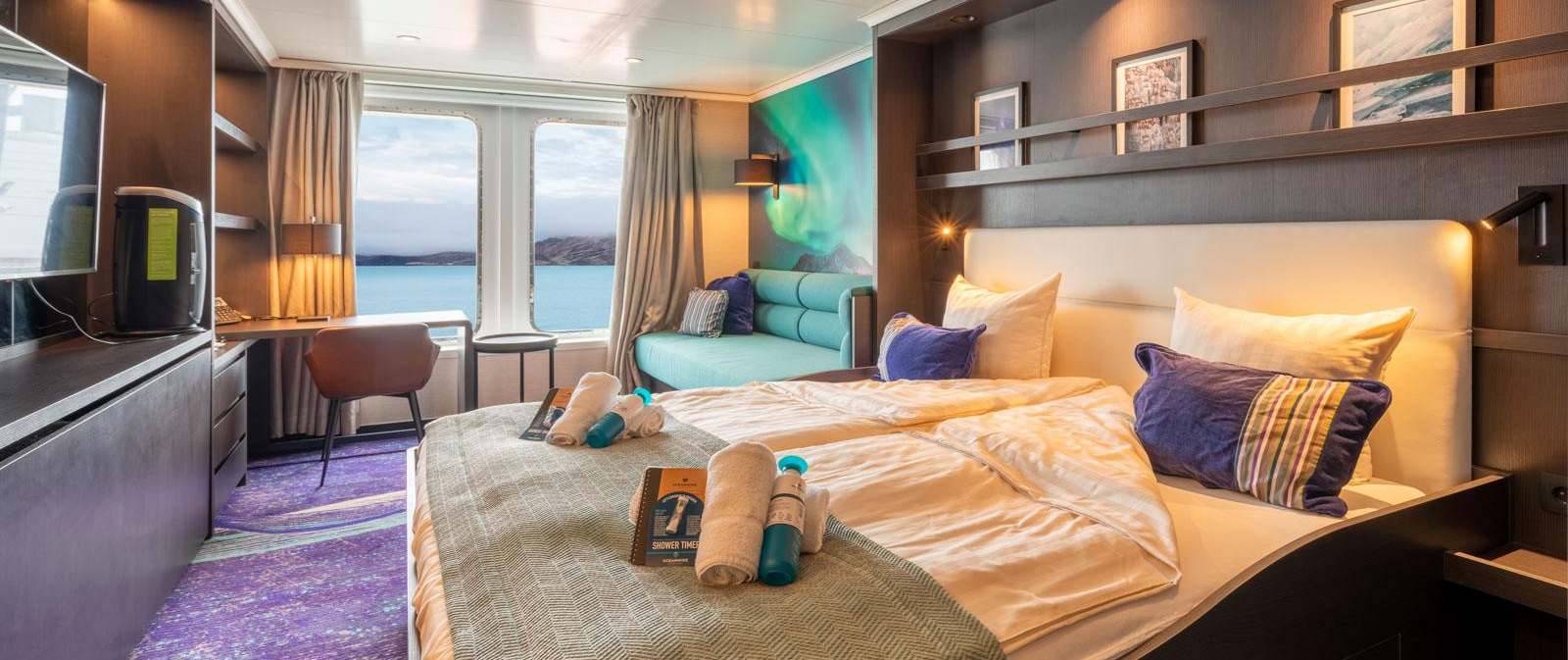
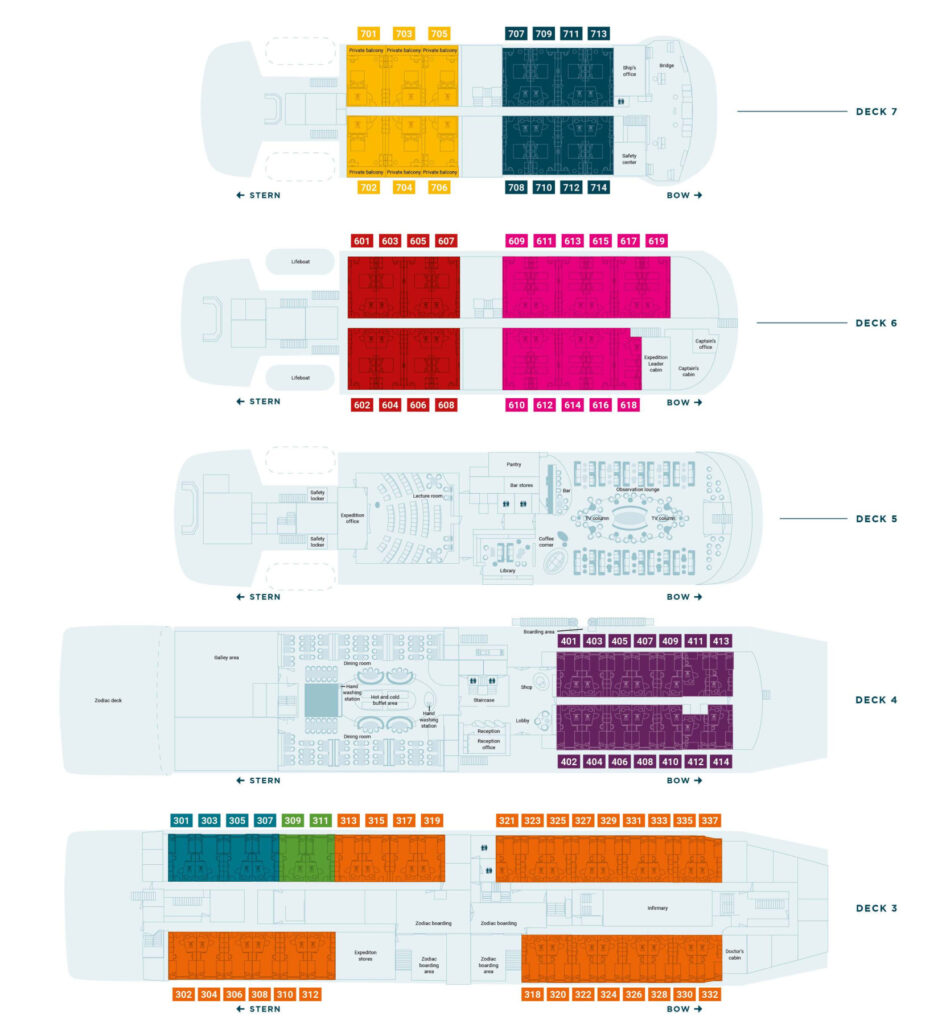
The ship accommodates a maximum of 170 passengers in 80 cabins, all equipped with a shower and toilet. The spacious cabins range from luxurious suites with private balconies, suites, superior cabins, twin window cabins, and porthole cabins, as well as three- and four-berth cabins with portholes
Deck plan:
Day 1: Arrival in Oslo (overnight stay in a hotel)
We can organize suitable flights for you from Germany, Switzerland or Austria.
Welcome to Oslo, the Norwegian capital, which was awarded the prestigious title of “Green Capital of Europe” in 2019. We have arranged a comfortable stay for you in a hotel very close to Oslo Airport, so you can easily catch your flight to Longyearbyen on day 2.
If you’d like to take a trip to the city center and have some time, you can take the convenient airport train to the heart of Oslo – the journey takes only 20 minutes and trains run regularly throughout the day. Near Oslo Central Station you’ll find shops, cafes, the Botanical Garden, cultural attractions, and the attractive harbor area.
Overnight stay in Oslo
Day 2: Onward flight to Longyearbyen - Start of the Spitsbergen circumnavigation
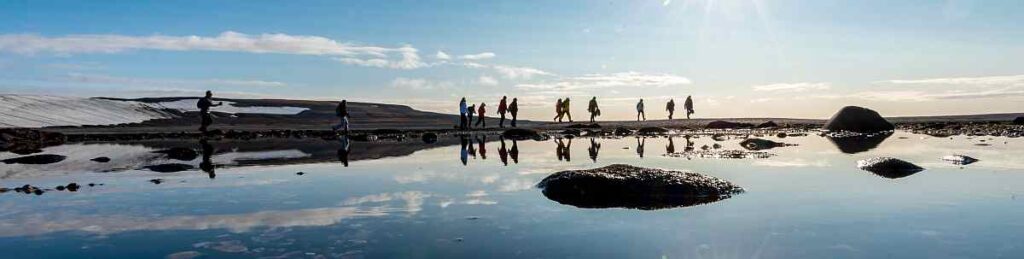
We continue our journey by plane to Longyearbyen, the starting port of our Spitsbergen circumnavigation cruise and the administrative center of Spitsbergen, located on the archipelago’s largest island – West Spitsbergen. Before boarding, there’s an opportunity to explore the town. The parish church and the Svalbard Museum, with its interesting exhibits on the mining industry and polar history, are well worth a visit. In the early evening, we cast off and the HONDIUS departs from Isfjord.
Note: The current ice conditions determine the exact route, so the final itinerary can only be decided during the trip. With good ice conditions, the following itinerary is planned and realistic
Day 3: Krossfjord and Ny Alesund
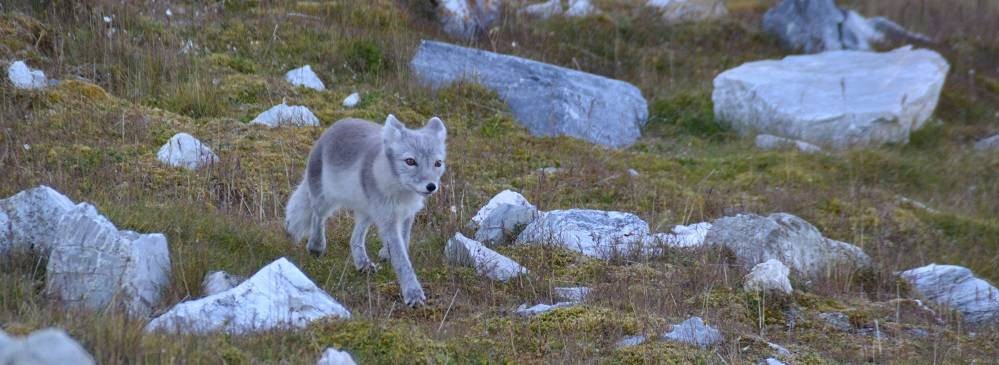
Sailing north along Spitsbergen’s west coast, you’ll arrive in Krossfjorden around dawn. From here, you’ll embark on a Zodiac cruise along the spectacular 14th of July Glacier. A variety of magnificent plants bloom on the surprisingly fertile slopes near the glacier. High on the cliffs, kittiwakes and thick-billed murres nest in large numbers. There’s a good chance of spotting the opportunistic Arctic fox, which often roams the foothills of the mountains with their nesting bird colonies, hoping to snatch a helpless fledgling that has fallen from its nest.
The scenic fjord is usually home to several bearded seals. In the afternoon, the journey takes you to Ny Ålesund, the northernmost permanently inhabited settlement in the world. This former mining settlement was once home to the world’s northernmost railway. The locomotive and some of the carriages from this former coal-carrying railway can still be admired there. Ny Ålesund has since been transformed into a modern research station.
In the immediate vicinity of the houses are breeding grounds of barnacle geese, pink-footed geese, and Arctic terns. Visitors interested in history will surely also enjoy a stroll to the old mooring mast where Amundsen and Nobile moored their airships, the “Norge” in 1926 and the “Italia” in 1928, on their way to the North Pole.
Day 4: Liefdefjorden and the Monaco Glacier
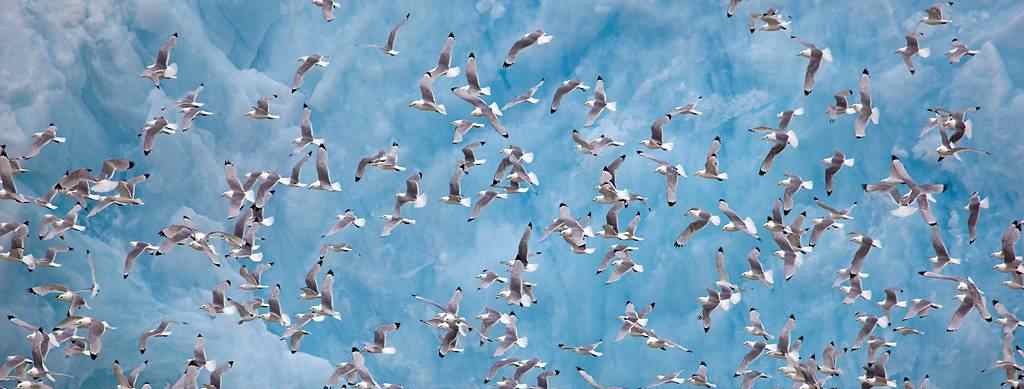
At the entrance to Liefdefjorden, a wonderful tundra hike can be undertaken on the island of Andøya. Many common eiders and pink-footed geese nest here, and the rarer king eider can also be spotted from time to time. At the end of Liefdefjorden, the MS HONDIUS cruises along the impressive calving front of the Monaco Glacier. Kittiwakes fish here in their thousands, and polar bears can occasionally be encountered in front of or even on the mighty glacier edge.
Day 5 and 6: To the northern point- Seven Islands archipelago
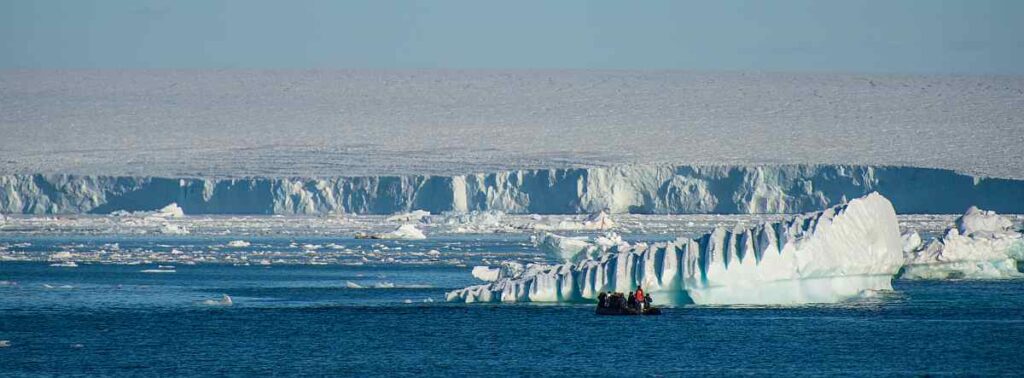
The northernmost point of your cruise could be north of Nordaustlanded in the Seven Islands. Here you reach 80° North and are therefore only 870 kilometers (540 miles) from the geographic North Pole. Polar bears are often found in this region. Therefore, the ship usually “parks” in the pack ice for a while while the crew searches for these white giants.
If the edge of the sea ice is a few kilometers north of the Seven Islands (this is usually the case in August), the ship may spend a second day in the area. Alternatively (usually in July), it will sail into Sorgfjord, where you will have the opportunity to visit a herd of walruses. The walruses’ resting place is located near 17th-century whalers’ graves. A walk in this area will lead you to ptarmigan nesting sites. The opposite side of the fjord is also a wonderful area for a shore excursion.
Day 7: To Hinlopenstrasse
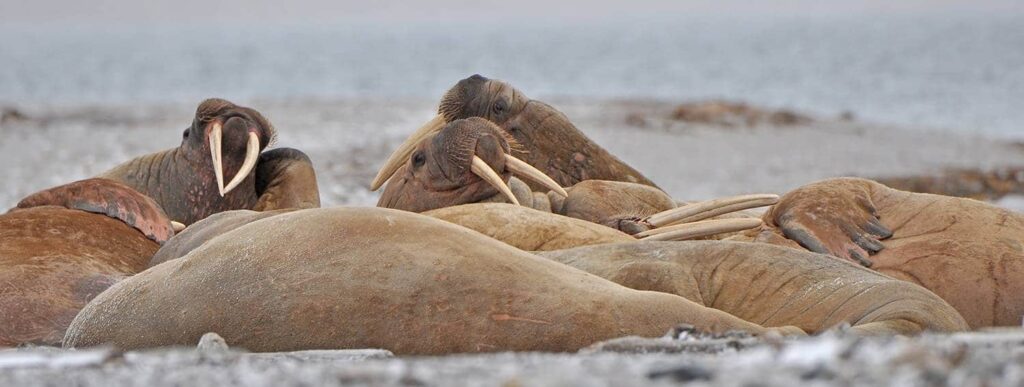
Today you’ll sail into the Hinlopen Strait – a habitat for bearded and ringed seals, polar bears, and ivory gulls. You’ll explore the pack ice off Lomfjordshalvøya on a Zodiac tour. Your destination is Alkefjellet – a bird cliff where thousands of thick-billed murres nest in a spectacular setting. On the eastern side of the Hinlopen Strait, Augustabukta awaits you on Nordaustlandet. Here, reindeer, barnacle geese, ivory gulls, and walruses roam. At Torrelneset, you’ll embark on a discovery tour of the polar wilderness of Nordaustlandet. Not far from the landing site, the third largest ice cap in the world meets the sea. The excursion takes you along a beautiful coastline covered with countless stones, rounded by the sea over millennia. With a bit of luck, you might even spot walruses along the way.
Day 8: Barents and Edgeoya
The plan is to go ashore in Freemansund – although polar bears sometimes make this impossible. Possible stops on Barentsøya include Sundneset with its old trapper’s cabin, Kapp Waldburg with its kittiwake colony, or Rindedalen for a magnificent tundra walk. There is also the option of heading south to Diskobukta. However, the preferred destination is Kapp Lee with its walrus resting place, Pomor ruins, and the possibility of hiking along Edgeøya.
Day 9: Hornsund
This day begins with a tranquil cruise through the numerous side fjords of the spectacular Hornsund in southern Spitsbergen, with its towering mountains. Hornsundtind rises to a height of 1,431 meters, while another mountain—Bautaen—illustrates why the Dutch explorers named the island “Spitsbergen.” A total of fourteen breathtaking glaciers cascade their ice masses down the slopes into the sea. There is also a good chance of spotting seals and polar bears.
Day 10: Bell Sund and Van Keulenfjord
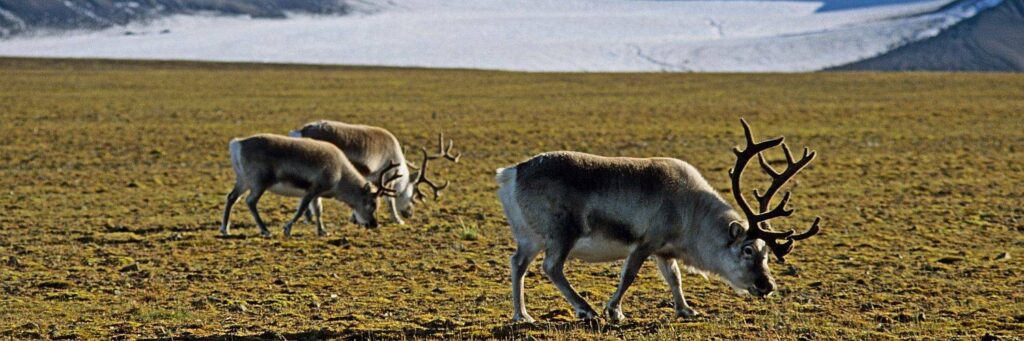
Today you will land on Ahlstrandhalvøya at the mouth of Van Keulenfjord. Here lie numerous skeletons of beluga whales, relics of the senseless slaughter of these whales in the late 19th century in this region, serving as a stark reminder of the devastating consequences of such reckless exploitation. Fortunately, the belugas were not completely eradicated, and today they can once again be found in larger groups, even in this fjord. During the cruise through the side fjords of Bellsund, you can scan the tundra for grazing reindeer and the rocky slopes for nesting little auks.
Day 11: Disembarkation in Longyearbyen and flight to Oslo
After enjoying a final breakfast on board, the crew will bid you farewell in the port of Longyearbyen. An organized transfer will take you to Longyearbyen Airport for your flight to Oslo, where you will stay overnight.
Overnight stay in Oslo
Day 12: Flight to your home airport
Connecting flight from Oslo to your home airport in Germany, Switzerland or Austria.
Notes:
The chances of a complete circumnavigation of Svalbard are 30% in the first half of July, 60% in the second half of July, 90% in the first half of August, and 95% in the second half of August. (These statistics are based on experience from 1992 to 2011). If a circumnavigation is not possible due to prevailing ice conditions, the program will focus on the northeast or southeast of Svalbard
The programs we have described are examples of a possible itinerary for your nature cruise. Since landings and excursions depend on the prevailing weather and ice conditions, changes to the itinerary may sometimes be necessary. This is the only way to ensure that you experience the greatest possible diversity of landscapes and wildlife. The final decision regarding the exact itinerary rests with the captain and the expedition leader. During the nature cruise, the planned activities will be presented to you daily. Please bear in mind: flexibility is crucial for the success of expedition cruises.
Changes to the itinerary and program are expressly reserved.
Includes/Excludes
- Cruise aboard the MS HONDIUS as described in the itinerary
- Arrival and departure program from/to Germany, Switzerland or Austria: - Scheduled flight via Oslo to Longyearbyen (Spitsbergen) and return, - 1 overnight stay before the cruise in an airport hotel in Oslo (meals: breakfast) or 1 overnight stay before the cruise in a hotel in Longyearbyen (meals: breakfast), - 1 overnight stay after the cruise in an airport hotel in Oslo
- Transfer in Longyearbyen between airport, hotel and ship
- Accommodation in the booked cabin category
- All meals during the cruise
- 24-hour water, tea and coffee station on board
- All shore excursions and tours during the cruise
- Lecture program with renowned speakers and expert guidance by experienced expedition leaders and guides
- All port and other required taxes for our cruise program
- Comfortable and high-quality rubber boots for shore excursions can be borrowed.
- Spitsbergen travel guide per cabin and information material
- Meals not listed (during travel to and from the port of embarkation)
- Soft drinks, house wine and beer, and house spirits are available in the onboard restaurant and bar.
- Visa or passport fees (if required)
- Personal expenses and tips
A notice:
- During an expedition, a change of itinerary may be necessary. Depending on weather and ice conditions, the expedition leader and the captain will decide on the best possible alternative. Encounters with the mentioned animals cannot be guaranteed
- Effective January 1, 2025, the Norwegian government mandates a minimum distance of 300 meters from polar bears in Svalbard, except from March 1 to June 30, when the minimum distance is increased to 500 meters. If a polar bear is sighted closer than the minimum distance, you must move away to maintain the legally required distance. This distance restriction does not apply in populated areas or outside Svalbard’s territorial waters (12 nautical miles from the coast). As an expedition cruise provider, we have adapted to these new regulations and will continue to offer you an unforgettable adventure.
- Completing various questionnaires is mandatory.
- Taking out international health insurance with medical repatriation coverage is mandatory.
- Solo travelers: If you do not require single occupancy, accommodation in a shared cabin is also possible. In this case, you will be accommodated in a cabin with other travelers of the same gender and possibly a different nationality.
Mobility Notice
We are obliged to point out that this trip is generally not suitable for people with reduced mobility. Please contact us to discuss your specific situation
Overview
- Tour Type:Group tour, Private tour
- Language:English, German, Korean
Have a question before booking? Message us to learn more.